Why zinc is on so many labels
Zinc is an essential mineral, meaning the body needs it but cannot make it. It plays a part in normal immune function, normal growth and maintenance, and many enzymes. Because it is cheap, stable and easy to add, it appears in multivitamins, lozenges and men's formulas alike.
The most reliable overview is the NIH zinc fact sheet from the NIH Office of Dietary Supplements. We rely on it for the figures in this post, and we suggest you read it directly if you want the detail.
That popularity is exactly why overlap is easy. Many products carry zinc quietly in the background, and people rarely tally it.
For wider background, the NIH Office of Dietary Supplements also covers other minerals and vitamins in plain language.
How much men need
NIH lists the recommended dietary allowance for adult men at 11 mg per day. Most people who eat a varied diet get close to that from food. Needs can differ for certain groups, such as people with digestive conditions, and a clinician can advise on individual situations.
No label can tell you whether you personally are low in zinc. Only a clinician can judge that, which is why guessing and supplementing "just in case" is not a great plan. If you are tired or run down, read when persistent fatigue deserves a doctor visit before reaching for a bottle.
Age, diet pattern and health conditions all affect what is appropriate, so use the figure as a general reference, not a personal prescription. The NIH page also covers groups with different needs.
Food sources first
Many everyday foods provide zinc, so a food-first approach is realistic for most adults.
- Oysters, which are an unusually rich source.
- Beef, pork and poultry.
- Beans, lentils and chickpeas.
- Nuts and seeds, such as pumpkin seeds and cashews.
- Dairy products and fortified breakfast cereals.
Plant sources contain compounds that can reduce absorption somewhat, so people who eat no animal products may need to pay closer attention. A dietitian can help with that.
A simple plate with a protein, a legume or whole grain, and some nuts or seeds goes a long way. If you are unsure about your diet, a registered dietitian can look at it in a single visit.
The upper limit and stacking
The NIH sets the tolerable upper intake level for adults at 40 mg per day from food, drinks and supplements combined. Going above it regularly can cause problems such as nausea and stomach upset, and over a longer time it can interfere with copper absorption. The limit is not a target, and more is not better.
The practical danger is stacking. A multivitamin, a separate zinc tablet, a cold lozenge and a gummy can all contribute. Add them up before you add anything new. Our post on reading a supplement facts panel shows where to find zinc and its percent daily value on each label.
- List every supplement and fortified product you use.
- Write down the zinc per serving from each label.
- Total it and compare with the 40 mg limit.
If your total sits near the limit, consider whether you need every product on the list. Fewer products is usually easier to manage and easier to explain to a clinician.
Also check for "other sources" you may not think of, such as fortified cereals, protein powders and energy bars, all of which can include added zinc.
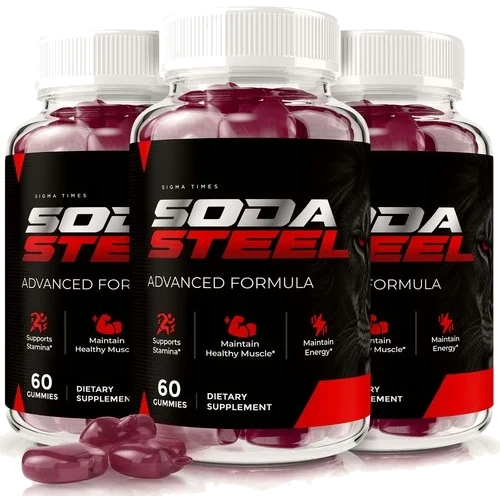
Zinc in Soda Steel
Zinc is one of the six listed ingredients in Soda Steel™, and the brand page itself cites the 40 mg adult upper limit from NIH. The amount of zinc per serving is not published on the pages we reviewed, so you cannot do the arithmetic from the page alone. If you already take a multivitamin or separate zinc, that is a good reason to ask a pharmacist before adding a new product.
See the ingredients list and our editorial standards for how we handle gaps like this. If you decide to explore anyway, you can check Soda Steel pricing and label details, and read the label and terms carefully at checkout.
Keep in mind that the percent daily value on a label is based on a general reference amount, so it helps to look at the milligrams too when they are listed. Where an amount is missing, ask the company directly and keep a copy of the reply.
Not medical advice. This article is general information. Soda Steel™ is a dietary supplement and not a treatment for any condition. Talk to your clinician. This is an independent web guide; see our editorial standards.