Recovery is mostly food, sleep and time
After a hard session your body needs fuel, fluid and rest to adapt. That sounds obvious, yet many lifters spend more time comparing products than fixing basics. If your meals are irregular or you sleep five hours, upgrading your routine will do more than any new tub or bottle.
Think of recovery as the other half of training, and food as its main tool. The session provides the stimulus, and the hours afterward are when your body adapts. Skimping on either half limits progress, whatever you are using.
This guide stays general and does not promise results from any product. Individual needs differ with body size, training volume and health, so regard the numbers below as starting points to discuss with a dietitian if you want precision.
Protein: spread it out
Protein supplies the building blocks your muscles use as they recover after training, so most lifters aim for a protein source at each meal. Common sources include eggs, chicken, fish, Greek yogurt, beans, tofu and lean beef. Powder is a convenience, not a requirement.
- Include a palm-sized portion of protein at each main meal.
- Have a protein-rich snack if long gaps fall between meals.
- Build variety so you also get fiber, vitamins and minerals.
Very high intakes are not automatically better, and people with kidney conditions should ask a clinician first.
Carbs and total calories
Carbohydrates refill the energy your muscles use during training. Rice, potatoes, oats, fruit, bread and pasta are all fine. Eating some carbohydrate within a few hours before and after a hard session is a practical habit, and it does not need to be exact. A banana and yogurt, or a rice bowl with chicken, does the job. Fats matter as well; they support overall energy intake and help you absorb some vitamins, so there is no need to cut them to the bone. Vegetables and fruit add vitamins, minerals and fiber, and they make it easier to eat enough volume without relying on processed snacks. A varied plate beats a perfect macro spreadsheet that you abandon after two weeks.
Under-eating overall is a common reason lifters feel flat. If you are always tired in the gym, check whether you are simply not eating enough before blaming anything else. Persistent exhaustion that food and sleep do not fix deserves a conversation with a doctor, as covered in our guide to persistent fatigue.
Hydration and rest days
Even mild dehydration can make training feel harder. Drink regularly through the day, add fluid and some salty food if you sweat heavily, and use thirst and urine color as simple checks.
Rest days are part of the plan, not a lapse. Soreness that lingers for days, a drop in performance over several weeks or trouble sleeping can all signal that you are doing too much for your current recovery. Most programs build in at least one or two days a week with lighter activity, and sleep does the rest. Aim to keep a regular bedtime even when training hard, because sleep is when much of your adaptation happens. Our piece on sleep and daytime energy goes deeper on that side. For a broader view of supplement safety, the NIH Office of Dietary Supplements publishes fact sheets on many nutrients.
Where supplements fit
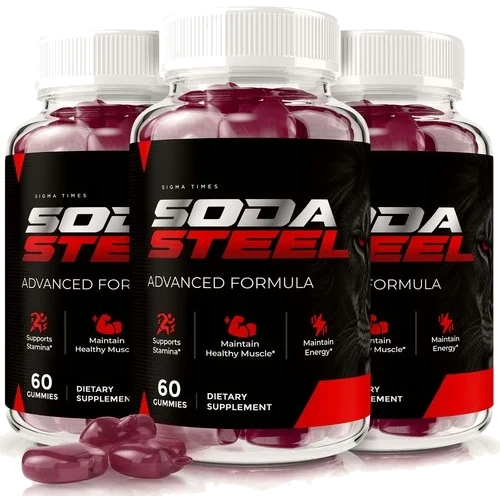
Supplements, if used at all, sit on top of this foundation. Some men take a daily gummy alongside meals. Soda Steel, for instance, lists Tongkat Ali, Ashwagandha, L-Citrulline, Zinc, Maca Root and Tribulus Terrestris, with label wording about stamina, healthy muscle and energy. No amounts are published, the statements are not evaluated by the FDA, and we do not claim it will change your training results. Read the ingredients list and check with a clinician if you take medication. The NCCIH guidance on using supplements wisely is also worth a read.
We are an independent affiliate guide. If you want to review the brand's page after sorting your basics, you can view the Soda Steel pack options and confirm terms at checkout.
Not medical advice. This article is general information. Soda Steel™ is a dietary supplement and not a treatment for any condition. Talk to your clinician. This is an independent web guide; see our editorial standards.