Start with water, then food
After a night without drinking, many people wake mildly dehydrated. A glass of water before coffee is a low-effort first step, and it costs nothing. There is no magic number of glasses, so use thirst and the color of your urine as rough guides.
Breakfast matters less for its calories than for its steadiness. A meal that combines protein, fiber and some carbohydrate tends to feel more even than a sugary pastry alone, which often leads to a mid-morning dip. Eggs with oats, yogurt with fruit and nuts, or whole-grain toast with peanut butter are simple examples. If you are not hungry first thing, a smaller option is fine; the goal is a pattern you can repeat.
Prepare the night before when you can. Overnight oats, hard-boiled eggs or a bag of nuts by the door remove the decision when you are still groggy. People who skip breakfast and rely on a large coffee often report a crash around late morning, so notice your own pattern for a week and adjust from there.
Get daylight in the first hour
Light exposure early in the day (see also the CDC sleep pages) helps anchor your body clock, which in turn shapes how sleepy or alert you feel hours later. Ten to fifteen minutes outside, even on a cloudy day, is usually brighter than indoor lighting. Take your coffee to the porch, walk the dog, or stand by an open window.
This habit also supports better evenings. People who get regular morning light often find it easier to wind down at night, and good sleep is the biggest lever for daytime energy. Our guide to sleep and daytime energy for men covers the evening side of the same equation.
Move for ten minutes
You do not need a full workout to feel more awake. A brisk ten-minute walk, a few sets of bodyweight squats, or some mobility work gets circulation going and breaks up the groggy stretch after waking. Keep it easy enough that you could talk in full sentences.
- Walk around the block before you open email.
- Do one round of push-ups, squats and a plank.
- Take stairs instead of the elevator on arrival.
If you lift later in the day, think of this as a warm-up habit rather than another training session. On busy days, even three minutes of walking and stretching beats skipping movement entirely, because the point is to build a routine you will actually keep. Consistency over weeks matters far more than intensity on any single morning.
Time your caffeine
Caffeine is useful but easy to overdo. Many people feel best waiting until after the first glass of water and some food, and avoiding it in the late afternoon so it does not interfere with sleep. Individual sensitivity varies a lot, so notice how you respond rather than copying someone else's schedule. A common rule of thumb is to stop caffeine six or so hours before bed, but your own response is a better guide. Energy drinks and pre-workout powders can pack a lot of caffeine, so check labels.
If you rely on three or four cups just to function, that is worth noticing. It may point to short sleep or a bigger issue, and our article on persistent fatigue and when to see a doctor explains when to talk to a clinician. For general guidance on using supplements and caffeine-containing products sensibly, see the NCCIH advice on using dietary supplements wisely.
Where a supplement fits, if at all
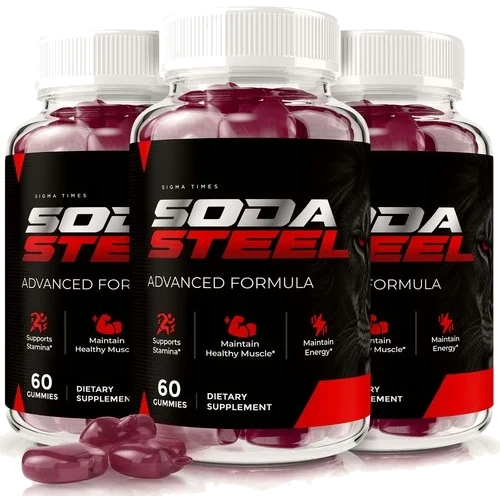
Some men add a daily supplement to their morning routine. Soda Steel is a gummy whose bottle label says it supports stamina, healthy muscle and energy, and the brand directs two gummies a day, preferably in the morning. The listed ingredients are Tongkat Ali, Ashwagandha, L-Citrulline, Zinc, Maca Root and Tribulus Terrestris, but no amounts are published, and the statements have not been evaluated by the FDA. It is not a drug and is not a substitute for sleep, food or medical care.
Read the ingredients list and the cautions first, and check with a clinician if you take regular medication. This site is an independent affiliate guide, not the maker or seller. If you decide to look further, you can see current Soda Steel pack options and read the terms at checkout.
Not medical advice. This article is general information. Soda Steel™ is a dietary supplement and not a treatment for any condition. Talk to your clinician. This is an independent web guide; see our editorial standards.