Normal tiredness versus something more
Everyone feels worn out after a bad night or a stressful week. That kind of tiredness fades once you catch up on rest. Persistent fatigue is different: it lingers for weeks, does not improve with sleep, and starts to interfere with work, relationships or exercise.
If that sounds familiar, the answer is rarely a new product. It is more often a conversation with a clinician, who can sort out which causes are likely. This article is general information, not personal medical advice, and it cannot tell you what is behind your own symptoms.
One useful distinction is the pattern. Fatigue that is worst in the afternoon after a poor night looks different from exhaustion that is constant, present on waking, and unchanged on weekends or holidays. Write down which one matches you, because the pattern helps a clinician decide where to look first.
Red flags that call for prompt attention
Some symptoms alongside tiredness should not wait. Contact a doctor soon, or seek urgent care if severe, when fatigue comes with any of the following:
- Chest pain, shortness of breath or fainting.
- Unexplained weight change, night sweats or fevers.
- Persistent low mood, loss of interest or thoughts of self-harm.
- Black or bloody stools, or unusual bruising.
- Loud snoring with pauses in breathing, or falling asleep at the wheel.
Trusted background reading on symptoms is available from MedlinePlus, which is run by the U.S. National Library of Medicine.
Common everyday causes
Before looking for exotic explanations, clinicians usually review the basics. Short or broken sleep is the most frequent culprit, and our guide to sleep and daytime energy for men covers the habits worth checking, and the CDC sleep pages add background. Other everyday contributors include:
- Chronic stress, long hours or burnout.
- Low physical activity, or overtraining without enough recovery.
- Heavy alcohol use or a lot of late caffeine.
- Not eating enough, or an unbalanced diet.
- Side effects of some prescription or over-the-counter medicines.
Review your own routine honestly first. A two-week record, like the one in our 30-day energy log, gives your doctor far more to work with than a vague "I'm always tired."
What a clinician may check
A visit typically starts with questions about sleep, mood, diet, alcohol, medications and supplements, followed by a physical exam. Depending on what comes up, your clinician may order blood work. Commonly discussed tests include a complete blood count, thyroid function, blood sugar, kidney and liver panels, and vitamin or iron levels. Screening questionnaires for depression or a sleep study may also be suggested.
None of this is automatic, and more testing is not always better. The point is to rule out common, manageable causes so you are not guessing. Many people leave with reassuring results and a plan focused on sleep, activity and stress, which is still a useful outcome. Others turn up something specific that is manageable once it is named. Bring a list of everything you take, including herbal products and gummies, because some ingredients can interact with medication or affect results. It also helps to note when symptoms began, whether anything changed around then, such as a new job, medicine, diet or training plan, and how much alcohol and caffeine you have in a typical week.
Supplements are not a shortcut
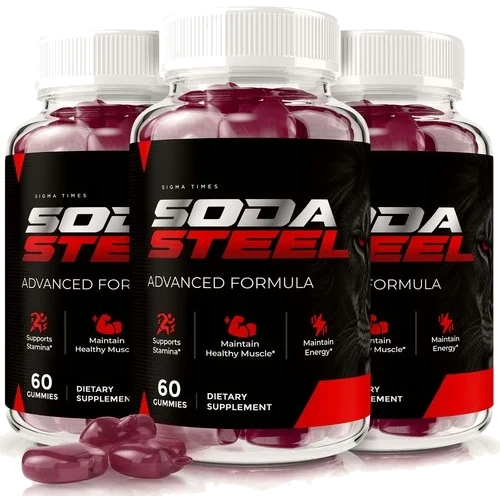
It is tempting to try a supplement when tired. If you do, keep it honest. Soda Steel, a gummy listing Tongkat Ali, Ashwagandha, L-Citrulline, Zinc, Maca Root and Tribulus Terrestris, carries label wording about supporting stamina and energy. Its amounts are not published, the statements are not evaluated by the FDA, and it is not intended to diagnose or address any condition. The brand page also says people with medical conditions or on regular medication should ask a clinician first.
That caution fits fatigue especially well: if something medical is going on, a gummy could delay the answer you actually need. Read our independent review for the full list of unknowns. This site is an affiliate guide, not the maker. If you have been cleared by your doctor and still want to look, you can see the brand's current pack options and read the terms at checkout.
Not medical advice. This article is general information. Soda Steel™ is a dietary supplement and not a treatment for any condition. Talk to your clinician. This is an independent web guide; see our editorial standards.