Start with serving size
The Supplement Facts panel looks like a nutrition label, but the first line carries more weight than most people realize. The serving size tells you how many gummies, capsules or scoops all the numbers below refer to. If the serving is two gummies and you take one, every amount halves; if you take four, it doubles.
Next comes servings per container. Multiply it by the serving size to learn how many units are in the bottle, then divide by your daily dose to estimate how long it lasts. A 60-count bottle at two a day, for example, is about a 30-day supply. Divide the bottle price by the days it lasts and you have a cost per day, which is the fairest way to compare products with different counts.
Watch for panels that quietly use a tiny serving, such as one gummy, while the directions tell you to take more. The numbers on the panel only describe the serving it names, so line up the directions and the panel before you compare anything.
Amounts and % Daily Value
Below that, each listed nutrient should show an amount, such as milligrams or micrograms, and often a percent of the Daily Value. The Daily Value is a reference for a typical diet, not a personal target. A high percentage is not automatically better; some nutrients have upper limits. The adult upper limit for zinc, for instance, is 40 mg per day from all sources, according to the NIH Office of Dietary Supplements. Add up everything you take, including multivitamins and fortified foods.
Many herbal ingredients have no Daily Value at all. In that case the amount in milligrams is the only way to judge what you are getting, which makes missing amounts a real gap. Units can also trip you up: a milligram is a thousand micrograms, and mixing them up changes a number by a factor of a thousand. If you are comparing two products, make sure the units match first.
Proprietary blends and missing doses
A proprietary blend lists several ingredients under one total weight, usually in descending order, without saying how much of each is inside. That means a formula could contain a meaningful amount of the first ingredient and a trace of the last. You cannot tell, and neither can your pharmacist.
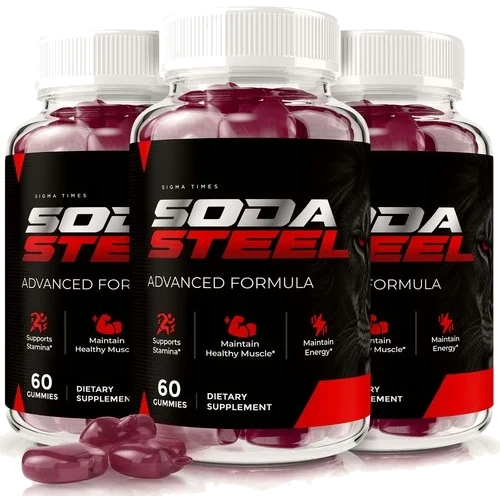
Some brands go further and publish ingredient names with no amounts at all. For Soda Steel, the ingredients are named as Tongkat Ali, Ashwagandha, L-Citrulline, Zinc, Maca Root and Tribulus Terrestris, but the amounts are not published on the pages we reviewed. Our ingredients list explains what each is and why the missing doses limit what anyone can say. If you want a clearer picture, check the actual bottle label, which may carry more detail than a web page.
Other ingredients, allergens and sugar
The panel is followed by an other-ingredients line, and for gummies it is worth reading closely. Expect sweeteners, a gelling agent, flavors, colors and acids. Some gummies contain added sugar, which matters for dental health and for people watching intake; see our guide to sugar and dental care with gummy supplements. Allergen statements, such as soy, tree nuts or gluten, sit nearby. If you have an allergy, contact the maker when anything is unclear.
Also look for a suggested use, warnings and a manufacturer or distributor name with an address. Their absence is information in itself.
Third-party seals and next steps
Independent testing groups run programs that check whether a product contains what it says and is free from certain contaminants. A seal can add confidence, but only if you can confirm it on the testing organization's own site, not just a logo on a sales page. Absent a seal, ask the company for a certificate of analysis. If they cannot provide one, weigh that.
The FDA dietary supplements page and the NCCIH guide to using supplements wisely are good companions to the label. Our article on FDA-registered and GMP claims covers what manufacturing statements do and do not prove.
With the panel decoded, you can judge any product, including this one, on facts. As an independent affiliate guide, we suggest you compare the Soda Steel label details yourself and confirm the final label and terms at checkout.
Not medical advice. This article is general information. Soda Steel™ is a dietary supplement and not a treatment for any condition. Talk to your clinician. This is an independent web guide; see our editorial standards.