Why gummies and teeth need a second look
A gummy is a chewable candy-style product, and that format brings two oral-health considerations. First, many contain sugar, glucose syrup or similar sweeteners. Second, the soft, sticky texture can stay on tooth surfaces longer than a drink or capsule would.
Neither point is a reason to panic. A couple of gummies a day is a small exposure. But if you take a gummy every day for months, small habits add up, and it is sensible to build a few easy ones into your routine.
Think about the whole day, too. If you already drink sweetened coffee, soda or juice, a gummy adds to that total. Tallying sugar from all sources gives a more honest picture than looking at a single product.
Check the label first
Look at the supplement facts panel and the "other ingredients" line. Sugar may be listed in grams per serving, and sweeteners may appear under several names.
- Total sugars and added sugars per serving.
- Sugar alcohols such as xylitol, sorbitol or maltitol.
- Glucose syrup, sucrose, cane sugar or fruit juice concentrate.
- Acids used for tang, which can also matter for enamel.
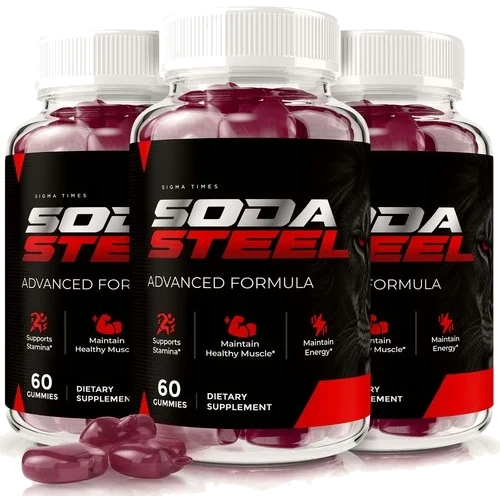
The Soda Steel™ page we reviewed does not give a sugar figure that we can quote, so check the bottle label itself. Our guide to reading a supplement facts panel explains where each item sits.
Do not forget that some people are sensitive to sugar alcohols, which can cause stomach discomfort if eaten in larger amounts. If you notice digestive upset after starting a product, mention it to a clinician or pharmacist.
Smart timing and technique
Timing can lower the amount of time sugar spends on your teeth.
- Take gummies with a meal, when saliva flow is already higher.
- Chew and swallow them in one sitting instead of nibbling over hours.
- Drink a glass of plain water afterward and swish gently.
- Wait about 30 minutes before brushing if the gummy is acidic, so enamel can settle.
- Keep the bottle out of reach of children, since it looks like candy.
The brand's directions for Soda Steel are two gummies a day, preferably in the morning, so a breakfast pairing fits naturally.
A small habit stack helps: pair the gummy with breakfast, drink water, and brush as part of your normal morning routine. Because you do it at the same time each day, it becomes automatic and easy to keep.
Everyday dental habits that matter more
The basics carry most of the weight: brush twice a day with fluoride toothpaste, clean between teeth daily, limit sugary snacks and drinks between meals, and visit a dentist regularly. Those habits matter far more than any one supplement choice.
For general, reliable health information, MedlinePlus has plain-language pages on dental health. If you notice sensitivity, bleeding gums or a sore spot that does not go away, book a dental visit rather than waiting. People with diabetes should be especially mindful of sugar from all sources and should ask a clinician how supplements fit in.
See also our overview of gummy vs capsule vs powder if sugar is a major concern for you.
If you wear braces, aligners or have crowns and fillings, ask your dentist whether sticky chewables are a good idea for you, because texture can matter in those cases.
Making a sensible choice
If you prefer less sugar, a capsule or powder may suit you better, and that is a perfectly reasonable decision. If you like gummies, pick one that is transparent about sugar and ingredients, and pair it with solid dental habits. Review the Soda Steel review for what the brand does and does not publish.
Also read the NCCIH guidance on using dietary supplements wisely before adding anything new, and speak with a clinician if you take medicines. If you want to look at this gummy, you can see Soda Steel pack options and read the label and terms at checkout. We are an independent affiliate guide and may earn a commission.
Whatever you choose, keep the choice proportionate. Dental health depends mostly on your daily routine and professional care.
Not medical advice. This article is general information. Soda Steel™ is a dietary supplement and not a treatment for any condition. Talk to your clinician. This is an independent web guide; see our editorial standards.