Why this matters before you buy
Supplement ads are written to sell, and many lean on emotion rather than evidence. Learning a handful of patterns takes only a few minutes and works for any product, including the ones we cover on this site. We are an independent affiliate guide and earn a commission if you buy through our link, so you should apply the same skepticism to us. Our editorial standards explain how we try to stay honest about that.
Red flags in the language
The first group of warning signs sits in the copy itself.
- Miracle words. Phrases like breakthrough, secret, instant or doctors hate it suggest hype, not evidence.
- Disease-fix language. A dietary supplement cannot legally be marketed as a drug. If an ad implies it addresses a condition, walk away.
- Unsourced statistics. A figure such as a percentage of users with no study, date or link is just decoration.
- Vague science. Mentioning a university or clinical trial without naming it is a classic dodge.
A useful test is to imagine the ad with every adjective removed. If nothing concrete remains, there was no information to begin with. Good copy does the opposite: it says what the label says, notes that statements are not evaluated by the FDA where applicable, and admits what is unknown.
Red flags in the pressure tactics
The second group is about getting you to act before you think.
- Fake urgency. A countdown clock that resets when you reload the page, or a banner about only a few left, may not reflect real stock.
- Struck-through prices. A crossed-out original price that nobody ever paid inflates the apparent bargain. Compare the real price per day instead, and ask yourself whether you would have considered the product at that price.
- Pre-checked add-ons or subscriptions. Read every box before you click, and screenshot the order page so you have a record of what was promised.
- Bonuses with no description. If a freebie is vague, view it as marketing, not value.
Our price guide shows how we convert packs into a cost per day so you can compare without the theater.
Red flags in proof and company details
Testimonials deserve the most suspicion. Stock-photo faces, first names only, no dates, and perfect before-and-after stories are all signs the reviews may not be real. Star ratings and review counts shown without a verifiable source tell you nothing. Be wary, too, of celebrity or expert endorsements that cannot be traced to a real, named person with relevant credentials, and of badges or seals that link nowhere. A badge is only meaningful if you can click through and confirm it.
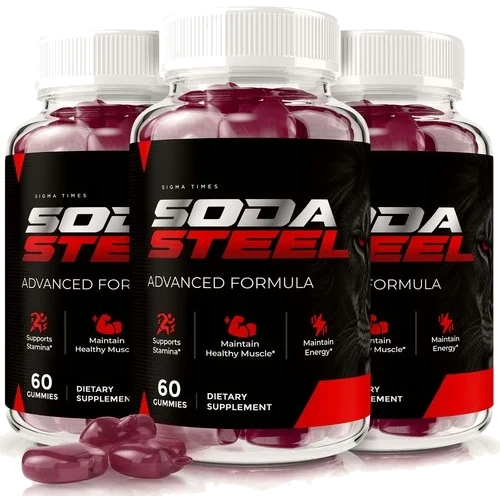
Also check who stands behind the product. Honest sellers have nothing to hide here. A trustworthy seller shows the manufacturer, a physical address, a working phone or email, and clear refund terms. When any of those are missing, say so and weigh it. In our own coverage of Soda Steel, for example, the manufacturer and company address are not published on the pages we reviewed, and the refund conditions are not shown there, which is why we tell readers to read the terms at checkout. You can see how we weigh these gaps in our independent review.
What the rules say, and how to check
In the United States, the Federal Trade Commission expects health-related advertising to be truthful, not misleading and backed by appropriate evidence. Its health products compliance guidance is written for businesses but is useful reading for shoppers too. The FDA's dietary supplements page explains what the agency does and does not review.
A quick routine helps:
- Read the full label, not just the front.
- Look for the ingredient amounts; note when they are missing.
- Search the company name plus the word complaints.
- Ask a pharmacist about interactions.
If the page passes your checks and you still want to look at a product, you can review the Soda Steel offer yourself with this checklist in hand, then confirm everything at checkout. And whatever you decide, give yourself a day to think before buying anything that pressures you to hurry.
Not medical advice. This article is general information. Soda Steel™ is a dietary supplement and not a treatment for any condition. Talk to your clinician. This is an independent web guide; see our editorial standards.