Two phrases that sound official
Supplement pages often say products are made in an FDA-registered, GMP-certified facility. It sounds like a government seal of approval. It is not, and understanding the gap protects you from over-trusting a line of marketing copy.
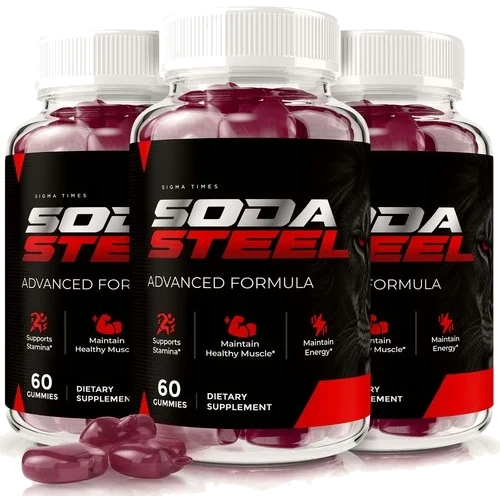
The brand behind Soda Steel makes exactly this statement, saying the gummy is made in an FDA-registered, GMP-certified U.S. facility. The facility is not named on the pages we reviewed. We report the claim as stated and do not verify it, and this article explains how to read statements of this kind. The goal is not to dismiss the wording but to see exactly how much it proves, so that you can give it the right weight when you compare products.
What FDA registration means
Food and dietary supplement facilities that make, pack or store products for U.S. consumers generally must register with the FDA. Registration tells the agency a facility exists and where. It is a notification, not an inspection result and not an endorsement. Think of it like a business license: it shows that a company is on the books, which is useful for oversight, but it says nothing about how well any one product is made or whether it suits you.
Equally important, the FDA does not approve dietary supplements for safety or effectiveness before they are sold. The agency explains its role on its dietary supplements page. So a registered facility does not mean the product inside has been reviewed, tested for results, or cleared for any use. That is also why labels carry the statement that claims have not been evaluated by the FDA.
What GMP means, and its limits
GMP stands for good manufacturing practice. For supplements, these are rules covering things like clean facilities, trained staff, documented procedures, testing of ingredients, and records that let a company trace a batch. Companies are expected to follow them, and the FDA can inspect facilities for compliance.
Notice the wording, though. A company can say it follows GMP, and a facility can be inspected, without a public certificate you can check. The phrase GMP-certified usually implies an outside audit by a private certifier, but the term is not a single official badge. Without a named facility or auditor, a reader cannot confirm it. Some certifiers publish directories of the facilities they audit, so a name can be checked quickly. If a brand will not share one, that is a gap you are entitled to weigh. Quality systems matter because supplements can vary from batch to batch, and testing and documentation are how a company keeps that variation in check.
What to ask for
You do not need to be an expert to ask good questions. Consider emailing the company and requesting:
- The name and address of the manufacturing facility.
- The certificate or audit summary behind the GMP claim, and the certifier's name.
- A certificate of analysis for the specific batch.
- Results from an independent lab, if any.
- The legal company name, address and customer service contact.
A confident company usually answers quickly. Silence, or an answer that only repeats the slogan, is worth noting. Keep any reply you receive, since it is part of your own record. For general reading, the NIH Office of Dietary Supplements offers neutral fact sheets.
Putting it in context
Registration and GMP are baseline expectations, not bonuses. Use them as a starting point and weigh them with ingredient amounts, label clarity, refund terms and your own medical situation. Our guide to supplement marketing red flags and supplement facts panel guide will help you add the other pieces.
For this product specifically, the manufacturer, company address, ingredient amounts and third-party test results are not published on the pages we saw, and the 60-day refund conditions are not shown there. Read our independent review for the full list of unknowns. We are an affiliate guide, not the maker or seller. If you want to see the brand's own page, you can view the Soda Steel offer and check the terms before you decide.
Not medical advice. This article is general information. Soda Steel™ is a dietary supplement and not a treatment for any condition. Talk to your clinician. This is an independent web guide; see our editorial standards.