What Tongkat Ali is
Tongkat Ali, also sold as Eurycoma longifolia or Malaysian ginseng, is a shrub native to parts of Southeast Asia. The root is dried and ground, or turned into an extract, and then added to teas, capsules and, more recently, gummies. Despite the nickname, it is not related to true ginseng.
Because it is sold as a dietary supplement, it is not approved by the FDA as a medicine. The NIH Office of Dietary Supplements is a good starting point for general supplement questions, though it does not have a dedicated Tongkat Ali page that we would rely on.
It helps to remember how supplement markets work. A herb gets popular, many brands add it to formulas, and the marketing often runs ahead of the science. Reading with that in mind keeps expectations realistic.
Traditional use versus modern evidence
In traditional Southeast Asian practice, the root has been used for many purposes over generations. Traditional use is a cultural and historical fact. It is not the same as clinical proof, and we do not read it as evidence that a product delivers a particular result.
Modern studies in people exist, but they are generally small and short, use different extracts and doses, and sometimes involve specific groups rather than the general public. Findings are mixed, and the research is not strong enough for us to promise anything about a finished product. That is why we keep our language on this site to what a brand states and what the label says.
Another gap is population. Many studies recruit specific groups, such as older adults or people with particular health profiles, so their findings may not carry over to a healthy adult taking a daily gummy. When you see a headline about a herb, ask who was studied, for how long, and with which product.
Why amounts matter
Herbal extracts differ a lot. One product may use a standardized extract, another a plain root powder, and the amount of active material can differ many times over. A label that names the herb but not the amount, or does not say which form is used, makes it hard to compare with any study.
- Ask whether the label lists the extract type.
- Look for the amount per serving, not just the name.
- Check if the herb sits inside a blend with other ingredients.
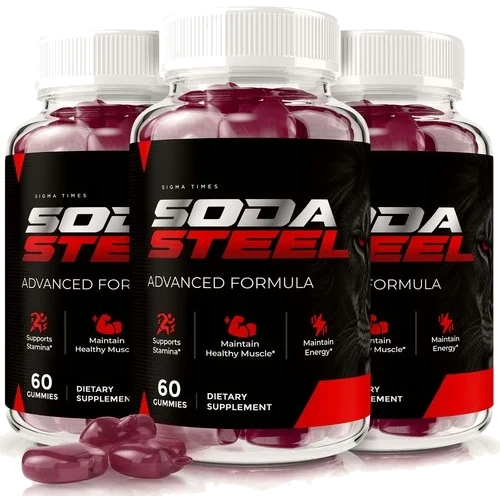
For Soda Steel™, Tongkat Ali appears on the listed ingredients with no amount published. Our ingredients list page explains what is and is not disclosed.
Gummies add another wrinkle. Extracts can taste bitter, and manufacturers must fit everything into a small chewable, so the practical amount per piece may be modest. Without published numbers, you simply cannot know, and that uncertainty is worth factoring into any purchase decision.
Cautions to know
Safety information on long-term use is limited. People who are pregnant, breastfeeding or under 18 should skip products like this. Anyone with a medical condition, or who takes regular medication, should speak with a clinician or pharmacist before use, because herbs can interact with drugs in ways that are not always well studied.
Stop and contact a health professional if you notice anything unusual after starting a supplement. For a broader look at drug and herb interactions, see herbal supplements and medication interactions, and for a framework on who should avoid these products, read who should skip herbal gummy supplements.
The NCCIH guidance on using dietary supplements wisely recommends telling every provider about every supplement you use.
If you also drink a lot of caffeine or use other herbal products, mention that to your pharmacist, since combinations are rarely studied together.
How to approach it sensibly
Think of any single herb as a small piece of a bigger routine that includes food, sleep, movement and regular checkups. If you are curious, look at the full formula rather than a single ingredient headline, and read the brand's terms before buying. Our Soda Steel review lays out what we could verify and what we could not.
If you decide to continue, you can see the current Soda Steel options and confirm shipping and refund terms at checkout. Remember that this site is an independent affiliate guide and may earn a commission.
Not medical advice. This article is general information. Soda Steel™ is a dietary supplement and not a treatment for any condition. Talk to your clinician. This is an independent web guide; see our editorial standards.