Why interactions happen
A natural product is not automatically a gentle one. Plants and minerals contain active compounds, and those compounds can act on the same body systems as prescription drugs. Two things can happen: a supplement can add to a medicine's effect, or it can change how the body absorbs or clears the medicine.
The NCCIH guidance on using dietary supplements wisely explains that supplements can interact with medicines and with each other, and that more is not always better. Safety information for many herbs is simply incomplete, which is a reason for care rather than a reason for confidence.
Another layer is that supplement quality is not checked before sale. Two bottles with the same herb name can differ in strength, so a reaction reported with one brand may not match another. That variability makes personal advice from a professional more valuable than generic internet lists.
Medicine types that call for extra care
Some categories come up again and again in cautions from reputable sources and from supplement brands themselves.
- Blood pressure medicines. Ingredients that may influence blood pressure could add to the medicine's effect.
- Diabetes medicines. Some botanicals may influence blood sugar, so combined use should be discussed first.
- Thyroid medicines. Certain herbs may interact with thyroid therapy.
- Sedatives and sleep aids. Calming herbs could add to drowsiness.
- Blood thinners. Many supplements can interact with these, so always ask.
This list is not complete. It simply shows why a general "it is natural" attitude is not a safety plan.
Alcohol and caffeine are worth mentioning too. They are not medicines in the usual sense, yet they can change how you feel on certain drugs, so include them when you review your habits with a professional.
A short script for your pharmacist
Pharmacists are often the easiest professionals to reach, and they are trained for this exact question. Bring the bottle or a clear photo of the label, including the ingredient list and directions.
- Name every prescription, over-the-counter product and supplement you use.
- Say how often you take each one.
- Ask, "Is anything on this list a concern together?"
- Ask whether timing matters, such as taking one product in the morning and another later.
- Ask what symptoms should lead you to stop and call.
Reliable background reading is also available at MedlinePlus, the NIH-run consumer health site.
If you cannot get to a pharmacy, many pharmacies offer phone consultations, and your insurer or clinic may provide a nurse line. Write the answers down so you can recall them later, and recheck any time your prescription changes.
Situations that raise the stakes
Take extra care if you are scheduled for surgery or a procedure, since some herbs affect how anesthesia and other medicines work. Tell the team about every supplement well in advance. Take extra care too if you have a long-term condition, since your regular medicine may be carefully balanced.
Multi-ingredient products raise the complexity. If a gummy contains six botanicals and minerals, any of them could matter to your situation, and it becomes harder to trace the source of a problem. Our posts on who should skip herbal gummy supplements and ashwagandha basics give concrete examples.
Age matters too. Older adults often take more medicines and may process them differently, and anyone with kidney or liver conditions should be especially careful, since those organs handle many compounds.
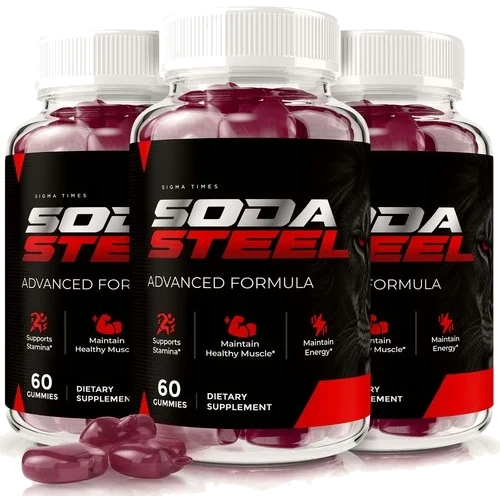
Applying this to Soda Steel
The brand page for Soda Steel™ states that people with medical conditions or on regular medication should ask a clinician first. It specifically notes that L-Citrulline and Tribulus may interact with blood pressure and diabetes drugs, and that Ashwagandha may interact with thyroid and sedative medication. It also gives an adult upper limit for zinc of 40 mg a day from all sources, per NIH.
No ingredient amounts are published, so a pharmacist would need to ask the company for details. Our ingredients list and review summarize what is known. If, after that conversation, you want to proceed, you can see current Soda Steel packs and read the terms at checkout. We are an independent affiliate guide.
Keep your medication list updated and revisit the question whenever a prescription changes.
The most useful habit is simple: never start a new product the same week as a new prescription without telling someone. If something feels off, you will want to know which change is responsible.
Not medical advice. This article is general information. Soda Steel™ is a dietary supplement and not a treatment for any condition. Talk to your clinician. This is an independent web guide; see our editorial standards.