The short version
L-Citrulline is an amino acid, one of the small building blocks the body uses in many processes. It is not an essential amino acid, which means your body can produce it. It is also found in food, which is how most people encounter it without ever thinking about it.
In supplements it shows up as a standalone powder, a capsule ingredient, and more recently as one component in multi-ingredient gummies. Because the word sounds scientific, it often gets treated as more established than the evidence allows.
A helpful way to think about it: an ingredient name on a label is only the start of the story. What matters just as much is how much is in each serving, what form it takes, and whether the research you read about used something comparable.
Where you find it in food
Watermelon is the best-known food source, and the name actually comes from the Latin word for watermelon, citrullus. Other melons, cucumbers and squash contain smaller amounts. The rind holds more than the red flesh, though few people eat it.
- Watermelon, especially near the rind.
- Other melons and gourds.
- Cucumbers and some squash.
Food amounts are modest compared with typical supplement doses studied in research. That is one reason we encourage a food-first approach to a balanced diet, and see our recovery nutrition basics for everyday eating ideas.
What the evidence can and cannot tell you
Researchers have studied citrulline in many small trials, typically with specific doses and specific groups of people. Findings are mixed, studies are often short, and results from one dose or population do not transfer neatly to a different product. For a gummy that does not publish the amount of L-Citrulline per serving, it is impossible to compare with any study at all.
For general background on how to read supplement claims, the NIH Office of Dietary Supplements is a trustworthy place to begin. We avoid promising any outcome from this ingredient and describe it only as something a brand lists.
It is also worth knowing that studied doses are often given as a standalone ingredient, sometimes in amounts measured in grams. A multi-ingredient gummy has limited room for that much of any one ingredient, which is another reason published amounts matter.
Medication cautions
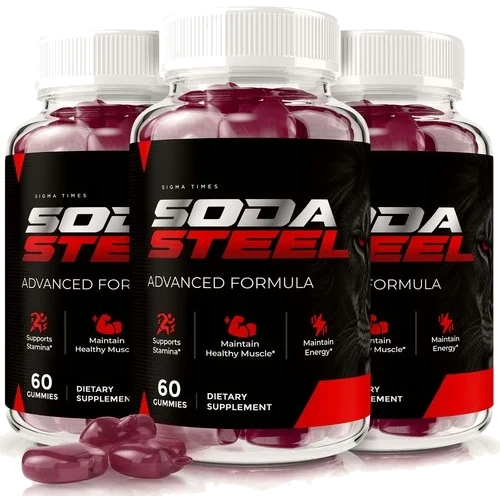
L-Citrulline may interact with medicines for blood pressure and diabetes, according to the caution on the Soda Steel™ page. The reasoning is general: an ingredient that affects the body in similar ways to a medicine could add to its effect. That is a good reason to ask a pharmacist before combining them, rather than guessing.
Take this seriously if you use any prescription, take medicine regularly, or have a heart, circulation or blood sugar concern. Our post on herbal supplements and medication interactions lists questions to bring to your appointment. If you ever feel dizzy, faint or unwell after starting a supplement, stop and contact a clinician.
Pharmacists are used to these questions and can usually check your full list quickly. Bring the product label or a photo of it, and note the serving size the brand recommends, which for Soda Steel is two gummies a day.
The NCCIH guidance on using dietary supplements wisely also suggests asking a provider whether a product is appropriate for you, how it might interact with medicines, and what the evidence really shows. Those three questions work for every ingredient in this guide.
How it fits in Soda Steel
L-Citrulline is one of six listed ingredients in Soda Steel, next to Tongkat Ali, Ashwagandha, Zinc, Maca Root and Tribulus Terrestris. The brand says the dose is two gummies daily, preferably in the morning, but publishes no ingredient amounts. See the ingredients list and our review for what we could and could not verify.
If you want to look at current options after speaking with a professional, you can see Soda Steel packs and terms and read the refund conditions at checkout. This is an independent affiliate guide, not the seller.
As always, a supplement works best as a small part of a routine built on food, hydration, sleep and regular checkups. Read our 30-day energy log guide if you want an objective way to notice changes in your own routine.
Not medical advice. This article is general information. Soda Steel™ is a dietary supplement and not a treatment for any condition. Talk to your clinician. This is an independent web guide; see our editorial standards.