What maca is
Maca (Lepidium meyenii) is a plant grown at high altitude in the Andes mountains of Peru. It belongs to the same family as radishes, turnips and broccoli. The root, which can be cream, yellow, red or black, is dried and ground into a flour-like powder.
Outside Peru it is mostly sold as powder, capsules and extract, and manufacturers also add it to gummies, bars and drinks. Like other botanicals, it is sold as a dietary supplement, which means it is not approved by the FDA as a medicine.
Colors matter to marketers, but there is no agreed standard for how those varieties compare in supplements, and labels rarely say which one is used. That is another detail worth looking for before you compare products.
For general information on supplement categories, the NIH Office of Dietary Supplements is a reliable starting point.
How people use it as food
In its native region, maca is a traditional food. People roast or boil the root, grind it into flour for baking and porridge, or ferment it into drinks. That is food use, with food-sized portions, and it is quite different from the concentrated extracts in modern products.
- Roasted or boiled whole root.
- Flour used in baked goods and porridge.
- Powder stirred into smoothies or oatmeal.
If you are curious, trying a small amount of plain powder in a recipe is one way to understand what it tastes like. The flavor is earthy and slightly malty, and many people find it strong.
Traditional food use over many generations suggests that maca eaten as a food is familiar in the region. It does not tell us how concentrated extracts behave in different people, nor does it reveal anything about combinations with other herbs.
Where the evidence stands
Studies on maca in people are few, small and short, and they use different forms and amounts. The overall picture is limited and mixed. That means we cannot honestly tell you what a maca-containing gummy will do for you, and any site that does is going beyond the research.
For a gentle reminder of how to evaluate these claims, see the NCCIH guidance on using dietary supplements wisely. It recommends asking where claims come from and discussing products with your healthcare team. Our own editorial standards commit us to the same caution.
Also remember that many studies test a specific preparation. When the amount is not published, as with Soda Steel, you cannot tell whether a gummy resembles any studied product.
Another caution is about quality. Powders and extracts vary in processing, and not every brand tests for contaminants. When a company does not publish test results, ask whether it has any.
Who should ask first
Because maca is a cruciferous vegetable, people with thyroid concerns are sometimes advised to ask a clinician about concentrated products. Anyone with a medical condition, on regular medication, pregnant or breastfeeding, or under 18 should ask before use. Allergies are possible with any plant, so stop if you notice a reaction.
Maca is rarely taken alone in a gummy. In a multi-ingredient product, interactions become harder to predict, which is one reason to read our post on herbal supplements and medication interactions and the guide to who should skip herbal gummy supplements.
If you eat a lot of raw cruciferous vegetables or have a known thyroid issue, mention it when you speak with your clinician. A short, specific conversation is more useful than a general one.
Maca in Soda Steel
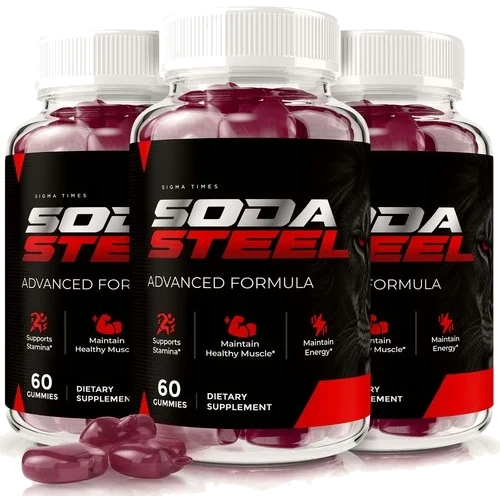
Maca Root is one of the six listed ingredients in Soda Steel™, with no amount published. The brand states two gummies a day, preferably in the morning, and says the formula is made in an FDA-registered, GMP-certified US facility. That registration is not approval of the product. We explain the distinction in what FDA-registered and GMP claims mean.
You can read more on our Soda Steel explained page. If you want to continue, you can look at Soda Steel options and review the terms at checkout. This site is an independent affiliate guide and may earn a commission.
Before you buy anything, it also helps to compare the cost per day with what you are comfortable spending, which our price guide spells out.
Not medical advice. This article is general information. Soda Steel™ is a dietary supplement and not a treatment for any condition. Talk to your clinician. This is an independent web guide; see our editorial standards.